Getting started
Earning a Private Pilot License involves several mandatory steps. Here's the whole path — and how we make each one as easy as possible.
-
Obtain an FAA medical certificate
This can take months for the FAA to review and approve, so make it your first step. Don't be nervous — the examination simply confirms you're healthy enough to fly. See what the exam covers.
- Schedule an exam with an FAA-authorized Aviation Medical Examiner (AME). Find an AME near you.
- Create an account at FAA MedXPress. Your AME will need this documentation and your MID.
- You'll need at least a Third-Class Medical Certificate. A Recreational Pilot Certificate is an alternative, but comes with flying restrictions — ask your instructor which is right for you.
- You can begin ground and flight training while you wait for results.
-
Choose a flight school
Look for experienced instructors, well-maintained aircraft and a good safety record. Contact SG Flight School and we'll answer your questions and get you scheduled.
-
Start ground school
Ground school covers the theory: aerodynamics, weather, navigation and FAA regulations. You have options:
- With your SG instructor. The most thorough option, and the most expensive — but you'll have the strongest grasp of the material.
- Online, at your own pace. The Sporty's Learn to Fly Course is the one we recommend and sell directly — well-built video lessons, practice tests and study aids for the FAA knowledge test. Gleim is another solid choice.
-
Begin flight training
Start lessons with your SG Flight School CFI.
- Flight hours: a minimum of 40 hours, including 20 with an instructor and 10 solo. Most students take more — that's normal.
- Skills: takeoffs, landings, navigation, emergency procedures and cross-country flying.
- Logbook: keep a detailed record of all hours and training.
-
Pass the FAA knowledge test
Sixty multiple-choice questions covering everything from ground school. Your instructor will help you schedule it and prepare with practice exams.
-
Complete solo flight requirements
After enough training, your instructor will endorse you to fly solo — one of the most memorable days in any pilot's life.
-
Pass the FAA checkride
Once you've logged the required hours, your instructor endorses you for the checkride: an oral exam plus a practical flight test with an FAA Designated Pilot Examiner. Review all knowledge areas and practice your maneuvers to make sure you're proficient.
-
Obtain your Private Pilot License
Your examiner issues a temporary certificate on the spot, and the FAA mails your permanent license within a few weeks. You're a pilot.
We're a Sporty's dealer
SG Flight School is an authorized Sporty's dealer, so you can get your ground school course, headset, charts, kneeboard and the rest of your training gear through us rather than ordering it yourself.
It's the same Sporty's products at the same prices — the difference is that your instructor can tell you what you actually need before you buy it, and what you can happily skip until later. New students routinely spend hundreds on gear they never use.
The Sporty's Private Pilot ground school is the one thing worth buying early, and you can get it from us right now. Ask us about everything else before you order.
Where this leads
Step one is easier than you think
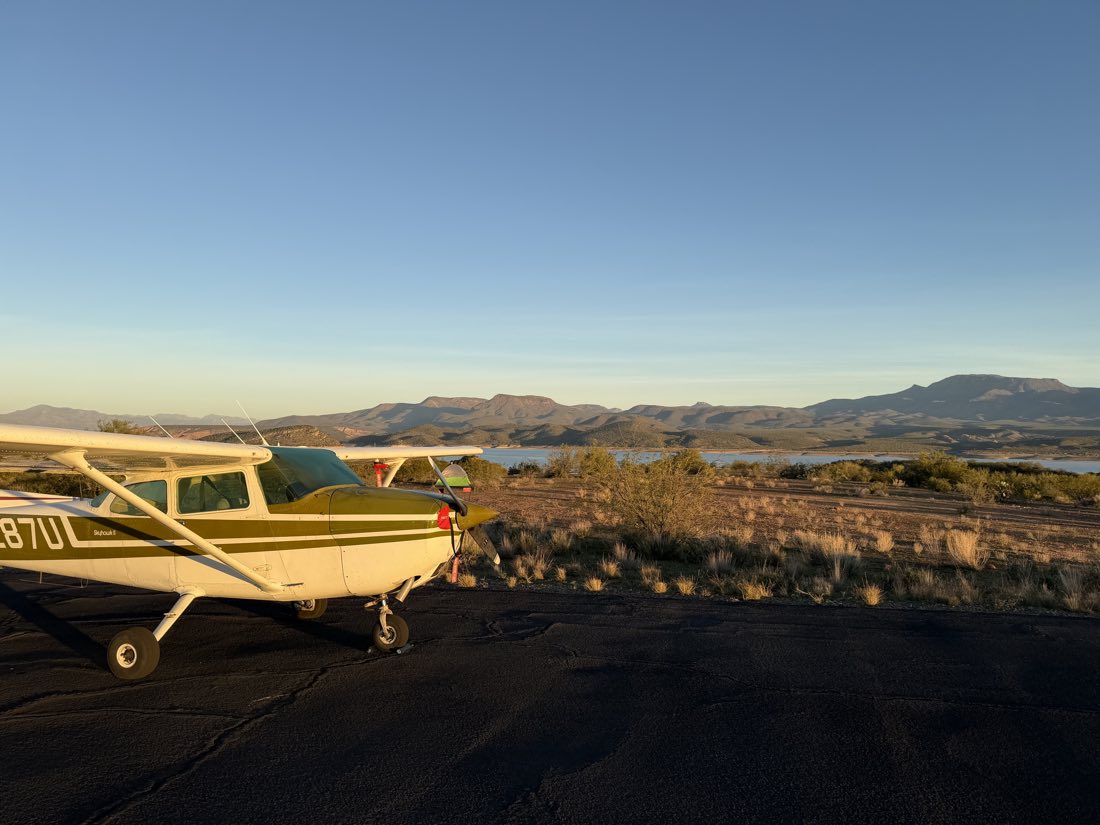
Book a discovery flight and find out whether flying is for you — before you commit to anything.